Here's what nobody tells you about arousal timing
Not all clitorises wake up the same way. Some respond in seconds. Others need fifteen minutes, twenty, or even longer to build sensation and pleasure. And the worst part? Most sex education, most partner expectations, most vibrators are designed for the first group.
If you're in the second group, you're not broken. You don't have low sensitivity. You have a clitoris that needs a gradual warm-up, and that's genuinely fine. The problem isn't your body. It's that most tools and most attitudes treat slow arousal like a bug instead of a feature.
Why some clitorises need more time
There are a few reasons your clitoris might take longer to respond to stimulation. First, there's just natural variation in nerve density and blood flow patterns. Some people's clitorises have fewer nerve endings on the surface, which means sensation builds more gradually. That's wiring, not dysfunction.
Second, there's the stress piece. If your nervous system is anywhere in the fight-or-flight zone, your clitoris isn't going to cooperate. Rushing, performance pressure, distraction, or even just the low hum of daily stress can extend warm-up time by minutes or even hours.
Third, there's medication and hormonal stuff. Certain antidepressants, birth control formulations, and natural hormonal fluctuations can dampen surface sensation. Your clitoris isn't refusing you. It's just working with different chemistry than it did last month or last year.
And fourth, there's simply the reality that your nervous system has preferences. Some people's clitorises respond better to sustained gentle pressure than to rapid vibration. That's a preference, not a problem. Once you know your preference, you can actually work with it instead of fighting it.
Why traditional vibrators often make this worse
Most conventional vibrators are built for intensity and speed. They buzz hard and fast from the moment you turn them on. For someone with a clitoris that needs a gradual build, this approach often backfires. You get numbing instead of warming. You get frustrated instead of aroused.
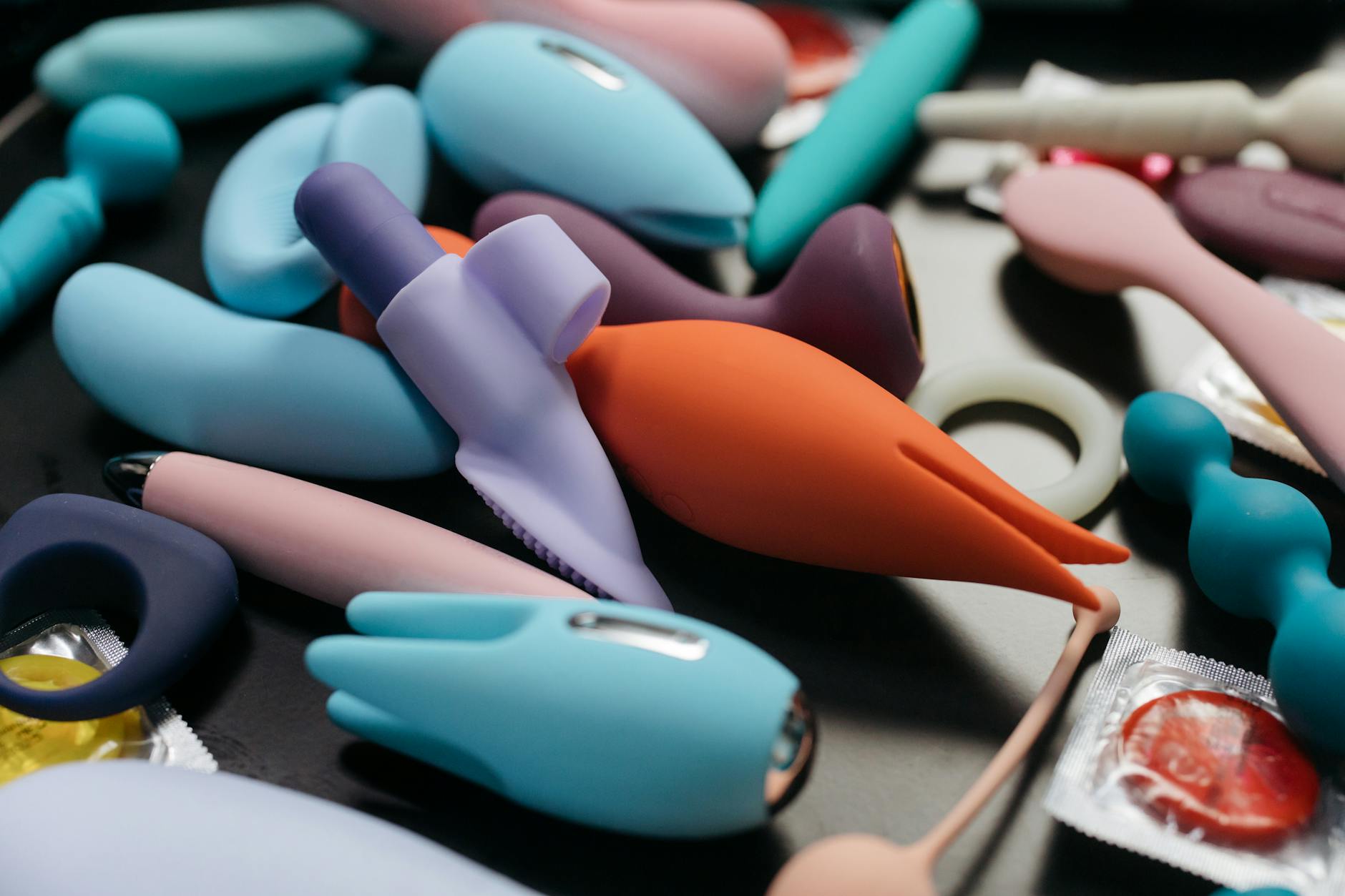
Lemon vibrators, especially air-suction models like the Lem, work differently. They use gentle suction and pulsing rather than direct vibration. This means you can start at the lowest setting and gradually build sensation without overwhelming your nervous system. The stimulation feels more like a building wave than a shock to your system.
That matters. A lot. The difference between a tool that rushes you and a tool that paces with you is the difference between pleasure that feels like work and pleasure that feels inevitable.
The warm-up protocol that actually works
If your clitoris needs time, here's a framework that helps most people.
Start with intention, not stimulation. Spend five to ten minutes on non-genital touch first. Touch your neck, your chest, your inner arms, your thighs. Let your nervous system know this is safe and good. This isn't foreplay in the traditional sense. It's permission.
Then use your lemon vibrator at the lowest settings. Lay it on your clitoris without turning it on yet. Feel the weight and warmth of it. Then turn on setting one and hold it there. Don't move it. Just let the gentle pulsing start waking up the nerve endings. Many people need two to five minutes at setting one alone.
Move up by one setting every two to three minutes. Not faster. The goal isn't to get to the highest setting. The goal is to let your clitoris gradually warm up and become more responsive. You might spend fifteen to twenty minutes at settings one through three. That's not too slow. That's perfect.
Pay attention to what your body is doing. As you move through the settings, notice if your clitoris feels more sensitive. Notice if your breathing changes. Notice if you're getting wet. These are signs that the warm-up is working. Your clitoris is waking up.
You don't have to reach the highest setting. One of the biggest mistakes people make is thinking they have to get to setting five or eight to have "real" pleasure. You don't. If you come at setting three with a lemon vibrator while you're warm and present, that's not a lesser orgasm. That's just your orgasm.
How your partner can help (without making it weird)
If you have a partner and they're involved in this process, communicate clearly. Not before sex, during the moment when things are tense. Actually talk about it when you're both clothed and not about to be intimate.
You might say something like: "My clitoris needs about fifteen minutes to really wake up. If I use my lemon vibrator starting at a low setting and working up slowly, I get there. If we rush it, I get frustrated. Here's what helps me feel good." That's not a complaint about your partner. That's information about your body.
Your partner's job is simple: give you space and time. They can touch you in other ways. They can be present. They can ask what would feel good. But the main thing is they don't rush the process or suggest you "just skip the warm-up this time." That's like asking someone to run a marathon without stretching first.
The patience piece (which is actually about self-respect)
Here's the truth that's wrapped up in all of this: respecting your arousal rhythm is respecting yourself. If you rush your warm-up to fit someone else's timeline, you're training your body to ignore its own signals. You're prioritizing external pressure over internal pleasure.
When you slow down and use a tool like a lemon vibrator that's actually designed for gradual stimulation, you're doing something radical. You're saying your pleasure matters enough to take the time it needs. You're saying your clitoris isn't something to check off a list. It's something to listen to.
That mindset change alone often shifts everything. Arousal gets easier when you stop fighting your own body.
What to expect as you practice this
The first few times you use this approach, you might feel impatient. Your brain might tell you that taking twenty minutes is too long. Notice that thought. Then ignore it. Your clitoris doesn't care what your brain thinks about the timeline.
Over time, your clitoris will probably become more responsive faster. This isn't magic. It's just your nervous system learning that it's safe to open up. Once you consistently give your clitoris the warm-up it needs, it starts to anticipate pleasure earlier in the process.
Some people find that after a few weeks of using lemon vibrators this way, they can shift to quicker warm-ups if they want to. Others find they prefer the slower build indefinitely. Both are fine. The goal isn't to "train" your clitoris into a faster response. The goal is to know your body and work with it.
The bigger picture
Your clitoris taking time to warm up isn't a flaw in your design. It's information about how you work best. A lemon vibrator's gentle suction and adjustable settings are designed to work with that information, not against it. The Lem and other lemon clitoral vibrators give you control over the pacing, which means you're finally using a tool that respects your actual body instead of asking your body to fit the tool.
That's the whole point. Pleasure should work with you, not require you to work around it.
FAQ
How long should I actually spend warming up my clitoris?
There's no single answer because every clitoris is different. That said, if you're starting from a place where you need more time, expect fifteen to twenty-five minutes. This includes the non-genital touch phase and the gradual increase through lemon vibrator settings. Some people find it takes less time once their body gets comfortable with the rhythm. Others find they actually prefer the longer warm-up indefinitely. The right amount of time is whatever amount makes you feel present and good.
Will my clitoris eventually become more sensitive if I'm patient with it?
Maybe. Some people find that consistently practicing slow warm-ups makes their clitoris more responsive over time. But don't count on it, and don't make it your goal. Even if your clitoris never responds faster, that doesn't mean there's something wrong with you. You can have fantastic pleasure within your actual response timeline. The sensitivity you're looking for might just be the sensitivity that happens when you stop rushing.
Is using a lemon vibrator at low settings actually enough stimulation?
Absolutely. Lemon vibrators work through suction and pulsing rather than harsh vibration, which means even the lowest settings provide real stimulation. You're not missing out by staying at settings one or two. In fact, many people report that lemon vibrators feel more intense at lower settings than traditional vibrators do at higher ones. You're getting genuine sensation. You're just getting it gently.
What if I'm in a hurry and don't have twenty minutes?
Don't push your clitoris to perform on a schedule. If you have ten minutes, use those ten minutes for gentle exploration. Maybe you won't reach orgasm, and that's fine. The goal isn't to cram pleasure into a tight window. It's to actually enjoy the time you have. If pleasure isn't available in ten minutes, it's not a failure. It's just information that you need more space this time.
Can I use numbing creams to make my clitoris more sensitive?
No. Numbing anything in that area defeats the purpose. If your clitoris needs time to warm up, the solution is warmth and patience, not chemicals that further reduce sensation. Stick with what actually works: slow, consistent, appropriate stimulation from a tool like a lemon vibrator that lets you control the pace.
Should I tell my partner that my clitoris takes longer to get aroused?
Yes. But do it as a fact about your body, not as an apology or a complaint about them. Try something like: "Here's what I've noticed about my body. My clitoris needs about fifteen to twenty minutes of gradual warm-up to feel truly responsive. When I respect that timeline, pleasure is better for both of us. This is just how I work." Most partners are relieved to have actual information instead of guessing or watching you seem frustrated.
Related reading
If you're working with a partner on this, how to use lemon vibrators during sex with a partner covers communication and integration in more depth. And if your warm-up needs come with anxiety, how to use lemon vibrators when you have anxiety during sex walks through the connection between nervous system activation and arousal.
The core idea stays the same: your body's timeline is valid. The tools you use and the mindset you bring matter. When both of those respect how you actually work, pleasure becomes something that flows naturally instead of something you have to force.